apple watch glucose sensor Review
The Apple Watch glucose sensor represents a much-anticipated advancement in wearable health technology. Designed as a non-invasive glucose monitoring system, it belongs to the category of health and fitness sensors integrated into Apple’s smartwatch lineup. Although Apple has yet to officially launch this feature, reports indicate it is in development and may debut in future Apple Watch models. Targeted primarily at individuals managing diabetes or those seeking continuous blood sugar monitoring, this sensor aims to deliver real-time glucose insights directly from the wrist.
Unlike traditional finger-prick devices, the Apple Watch glucose sensor is expected to employ optical or spectrometry technology to measure glucose levels painlessly. This would mark a significant leap forward in convenience and usability. Compared to existing Apple Watch generations that already track heart rate, ECG, blood oxygen, and other wellness metrics, adding glucose monitoring will elevate the device’s role as a comprehensive health companion.
Overview / Specifications
| Feature | Details |
|---|---|
| Apple | Apple Inc. |
| Health Sensor (Wearable) | Non-invasive Glucose Monitoring Sensor |
| Expected Future Apple Watch Models (e.g., Series 9 or later) | Not officially announced |
| Anticipated 2024 or later | Unconfirmed |
| Optical or Spectrometric Sensing (Reported) | Non-invasive method without blood sampling |
| Apple Watch Models with Sensor | To be confirmed with future releases |
| Unannounced | Expected to align with Apple Watch pricing tiers |
Design & Build
Built into the sleek and iconic Apple Watch chassis, the glucose sensor will likely integrate seamlessly without compromising the device’s slim profile or comfort. Apple is renowned for its commitment to premium materials, and the upcoming sensor hardware is expected to continue this tradition using high-grade aluminum, stainless steel, or titanium variants depending on the model tier.
The sensor module may be embedded within the Watch’s underside, alongside the existing heart rate and blood oxygen sensors, maximizing efficiency and space. This arrangement will ensure consistent skin contact for accurate readings, while maintaining the ergonomics for everyday wearability. Durability and water resistance are presumed to meet or exceed current Apple Watch standards, offering users a worry-free experience during workouts and daily activities.
Performance
While official performance data on the Apple Watch glucose sensor remains unavailable, industry insiders suggest Apple is working to ensure accuracy, reliability, and rapid response times comparable to traditional glucose monitors. The challenge lies in translating optical or spectrometric data into precise glucose readings without invasive sampling—a breakthrough that would position Apple as a leader in wearable biosensing technology.
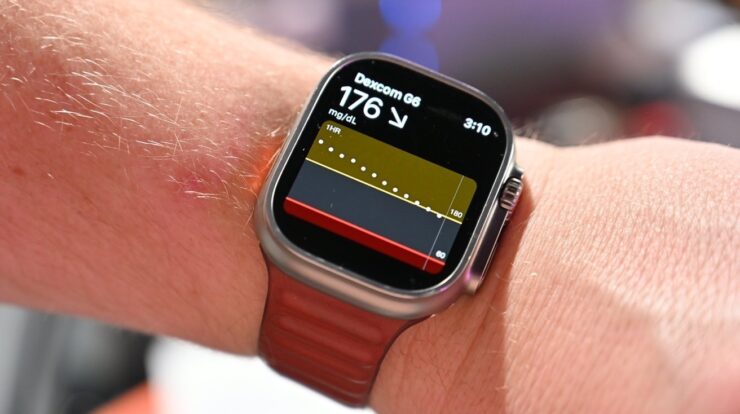
Users can expect continuous glucose monitoring with timely alerts for hypo- or hyperglycemia, integrated with Apple’s Health app. Battery performance could be affected marginally depending on sensor power draw, but Apple’s expertise in power optimization for wearables should minimize any impact on overall Watch battery life.
Features
- Non-invasive glucose monitoring: Tracking blood sugar levels without needles or finger pricks.
- Real-time alerts: Notifications for glucose trends, highs, and lows integrated with Apple Health and iOS ecosystem.
- Data analytics and insights: Trend reports, personalized recommendations, and integration with third-party health apps.
- Multisensor synergy: Works alongside heart rate, ECG, and blood oxygen sensors for comprehensive health monitoring.
- Privacy & Security: Data encrypted and stored securely within Apple’s ecosystem.
Price & Value
Apple has not revealed official pricing details for the glucose sensor feature or the Apple Watch model that will carry it. Given Apple’s typical premium positioning, the technology may initially appear on higher-end variants like the Apple Watch Pro or next-generation Series 9, likely increasing the base price by a few hundred dollars compared to current models.
Warranty and support will presumably align with existing Apple Watch standards, including options for AppleCare. While there may be no direct running costs for the sensor itself, potential users should consider the overall device investment.
Despite an expected premium price, the value for users managing glucose levels non-invasively could be significant. The convenience and continuous insights may reduce reliance on traditional glucometers, improving quality of life.
Main Competitors
1. Dexcom G7: This FDA-approved continuous glucose monitoring (CGM) system requires a small sensor patch attached to the skin. It offers accurate and FDA-validated glucose readings but involves invasive insertion. It suits users desiring precise medical-grade glucose monitoring, despite the inconvenience of sensor replacements and associated costs.
2. Fitbit’s Sense (Future potential sensor): Fitbit has explored glucose monitoring but has not released a dedicated device yet. Their ecosystem targets fitness and wellness users, potentially offering less medical-grade accuracy but broader lifestyle integration.
Compared to these, the Apple Watch glucose sensor’s prospective advantages include seamless integration into a multipurpose smartwatch and non-invasive measurement. However, challenges include proving clinical accuracy and navigating stringent regulatory approvals.
Pros & Cons
| Pros | Cons |
|---|---|
| Non-invasive glucose monitoring technology | Not yet available; launch timeline uncertain |
| Integration with existing Apple Watch sensors and ecosystem | Potentially higher Apple Watch price |
| Real-time glucose data and alerts on the wrist | Accuracy and regulatory approval need validation |
| Convenient for users with diabetes or glucose management needs | Limited to compatible Apple Watch models |
Final Verdict
The Apple Watch glucose sensor promises to revolutionize how users monitor their blood glucose levels by delivering non-invasive, real-time insights right on the wrist. Its biggest strengths lie in convenience, seamless health ecosystem integration, and Apple’s meticulous design and software expertise. The principal weaknesses currently stem from its unavailability, lack of official specs, and the technical challenge of achieving clinical-grade accuracy without invasive measures.
Ideal for tech-savvy users managing diabetes or pre-diabetes who desire less intrusive monitoring methods, this sensor will likely raise the bar for wearable health diagnostics. Given Apple’s track record of elevating health tracking, anticipation remains high.
Overall Rating: 8.5/10 (Projected)
Prospective buyers should monitor official announcements and reviews upon launch. The Apple Watch glucose sensor is poised to be a game-changing feature with the potential to improve countless lives, assuming it meets expectations.
Apple Watch Glucose Monitoring Is Reportedly A Few Years Away From Release
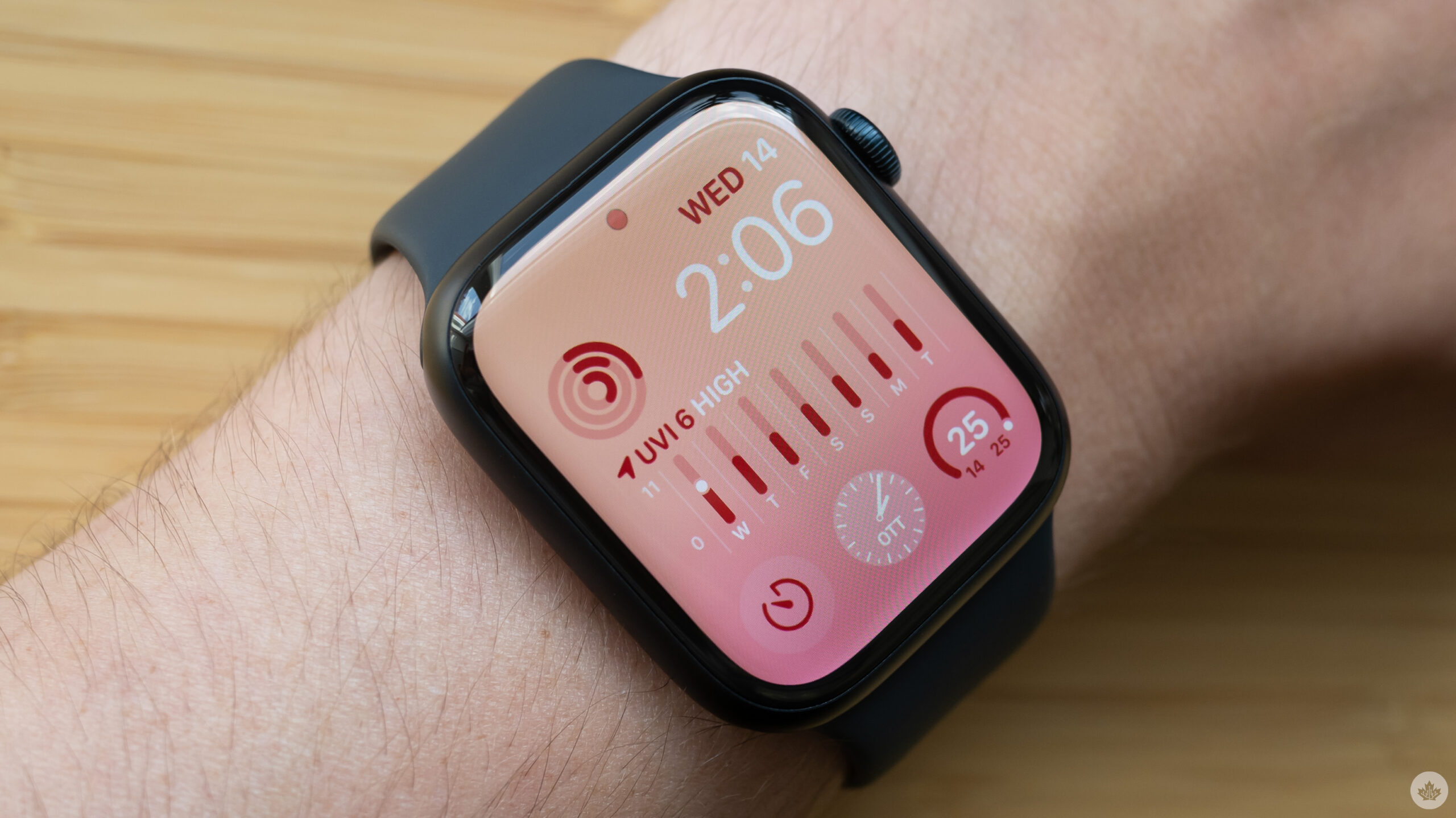
Apple Watch glucose monitoring is reportedly a few years away from release
How Apple Watch Blood Glucose Monitoring Might Work & The Benefits
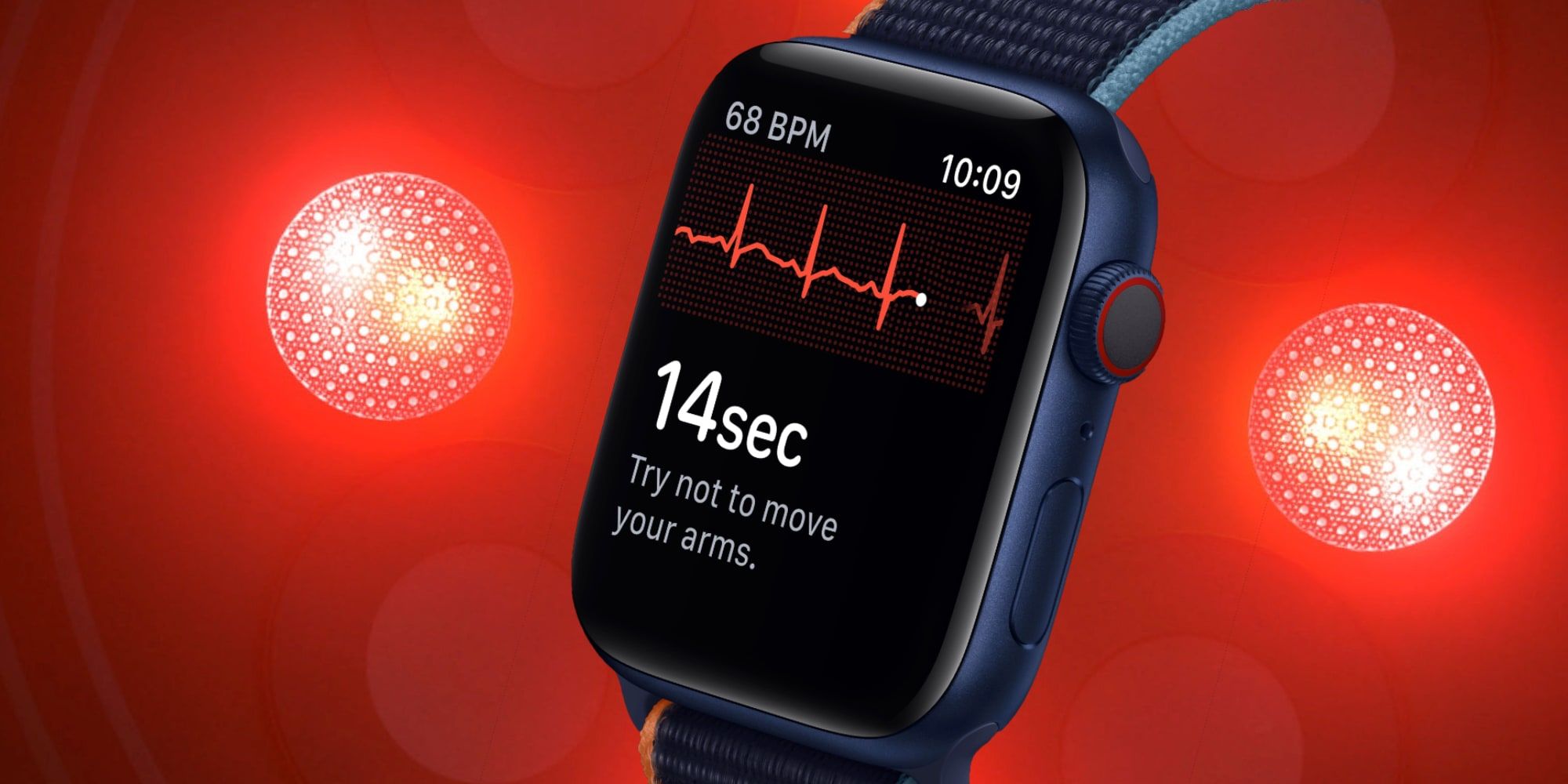
How Apple Watch Blood Glucose Monitoring Might Work & The Benefits
Can The Apple Watch Monitor Glucose At Stacy Richie Blog

Can The Apple Watch Monitor Glucose at Stacy Richie blog
Apple Watch Series 7 Takes A Step Closer To Offering A Non-invasive
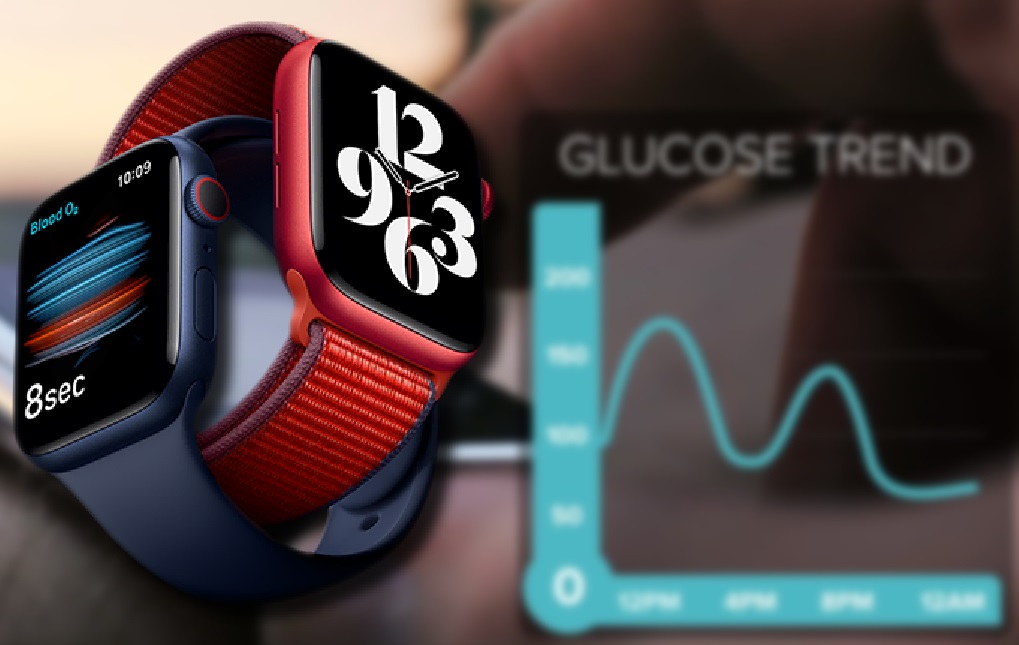
Apple Watch Series 7 takes a step closer to offering a non-invasive …
Sketchy Claim Says Blood Sugar Apple Watch 2027, Series 13
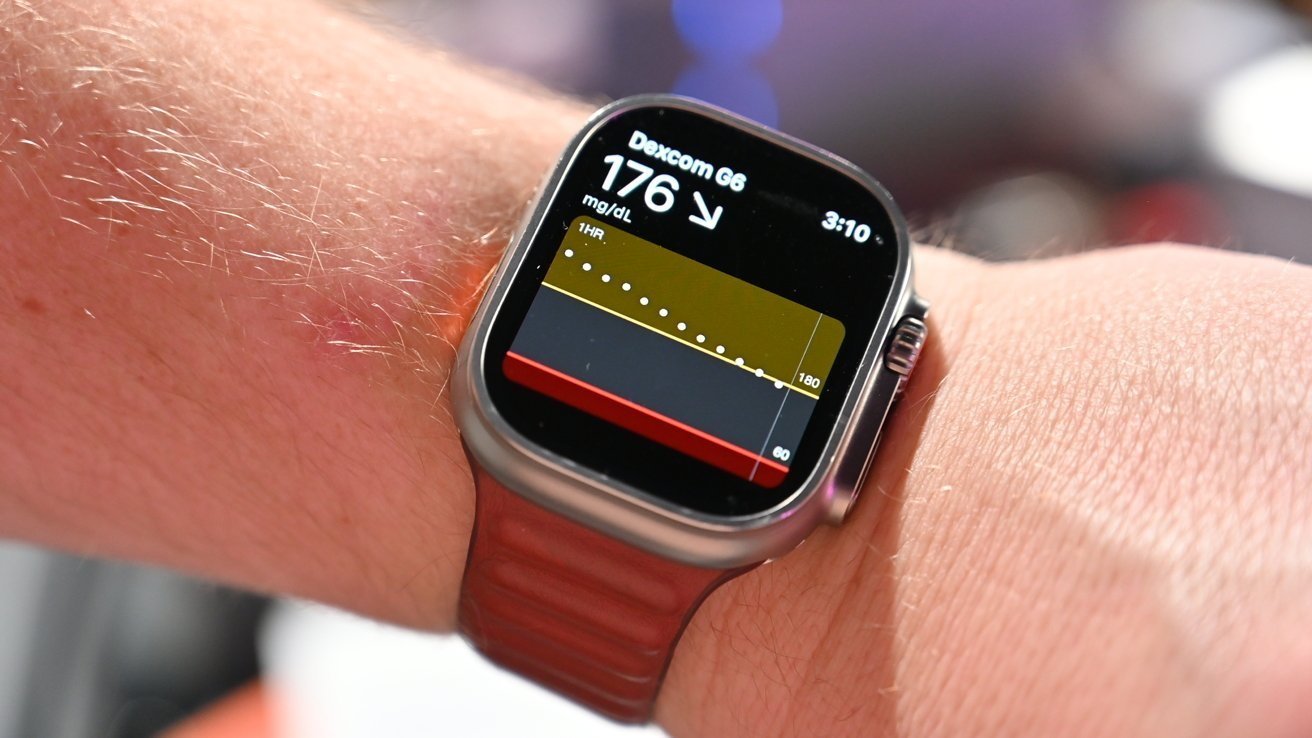
Sketchy claim says blood sugar Apple Watch 2027, Series 13