apple watch blood sugar levels Review
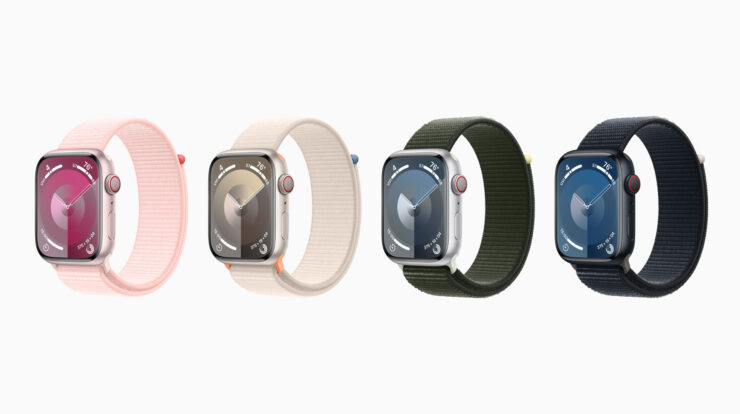
The Apple Watch blood sugar levels capability represents Apple’s foray into integrating real-time glucose monitoring within its iconic smartwatch ecosystem. This emerging feature, currently available through collaborations with third-party continuous glucose monitoring (CGM) devices such as Dexcom, positions the Apple Watch within the health and wearable tech category targeted at users with diabetes or glucose management needs. Unlike medical-grade standalone devices, this integration offers a convenient, on-wrist option for tracking blood sugar trends without invasive finger pricks.
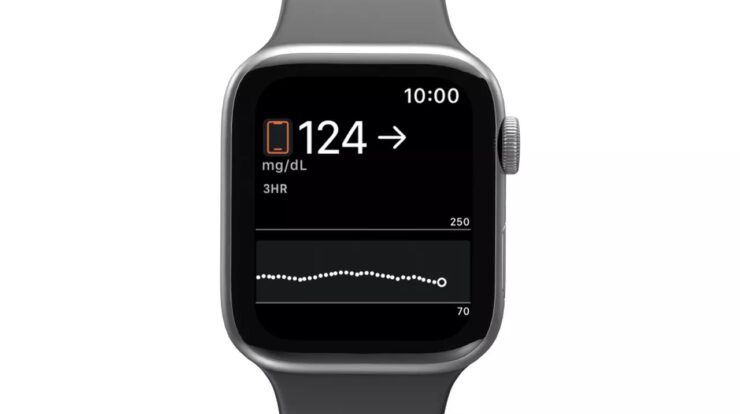
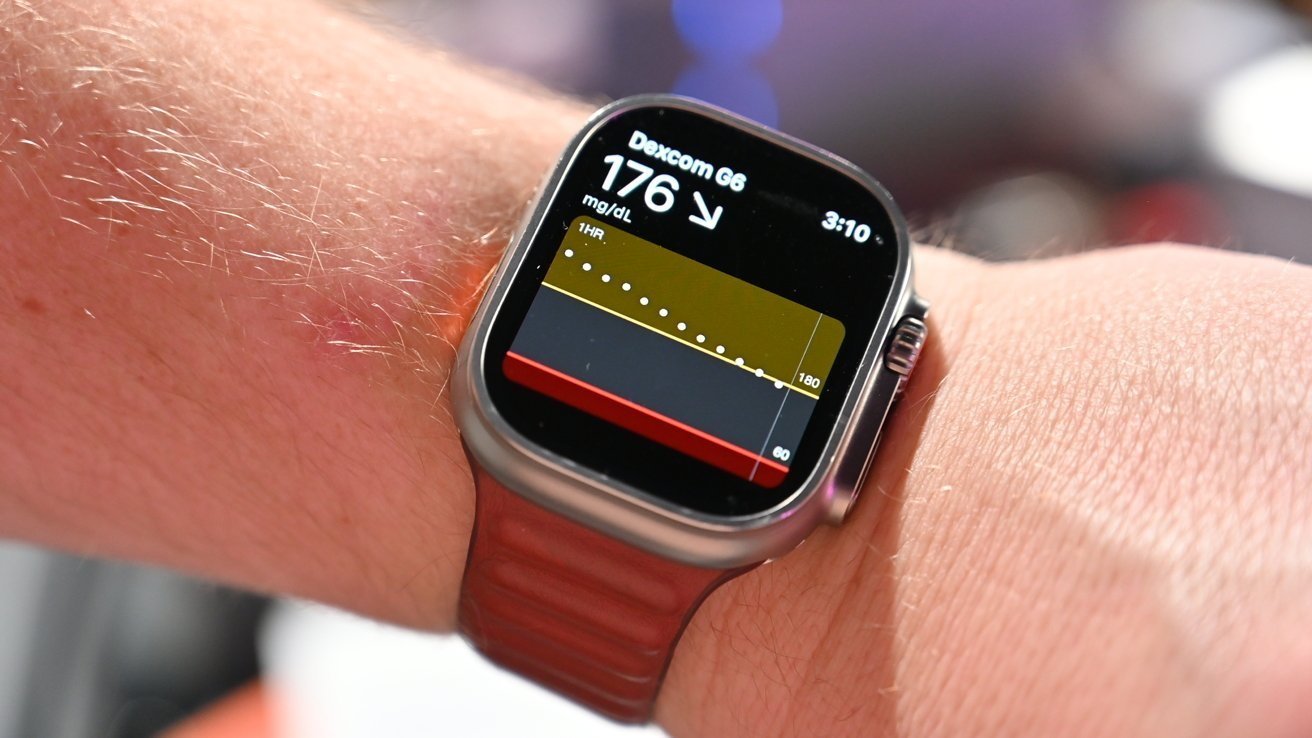
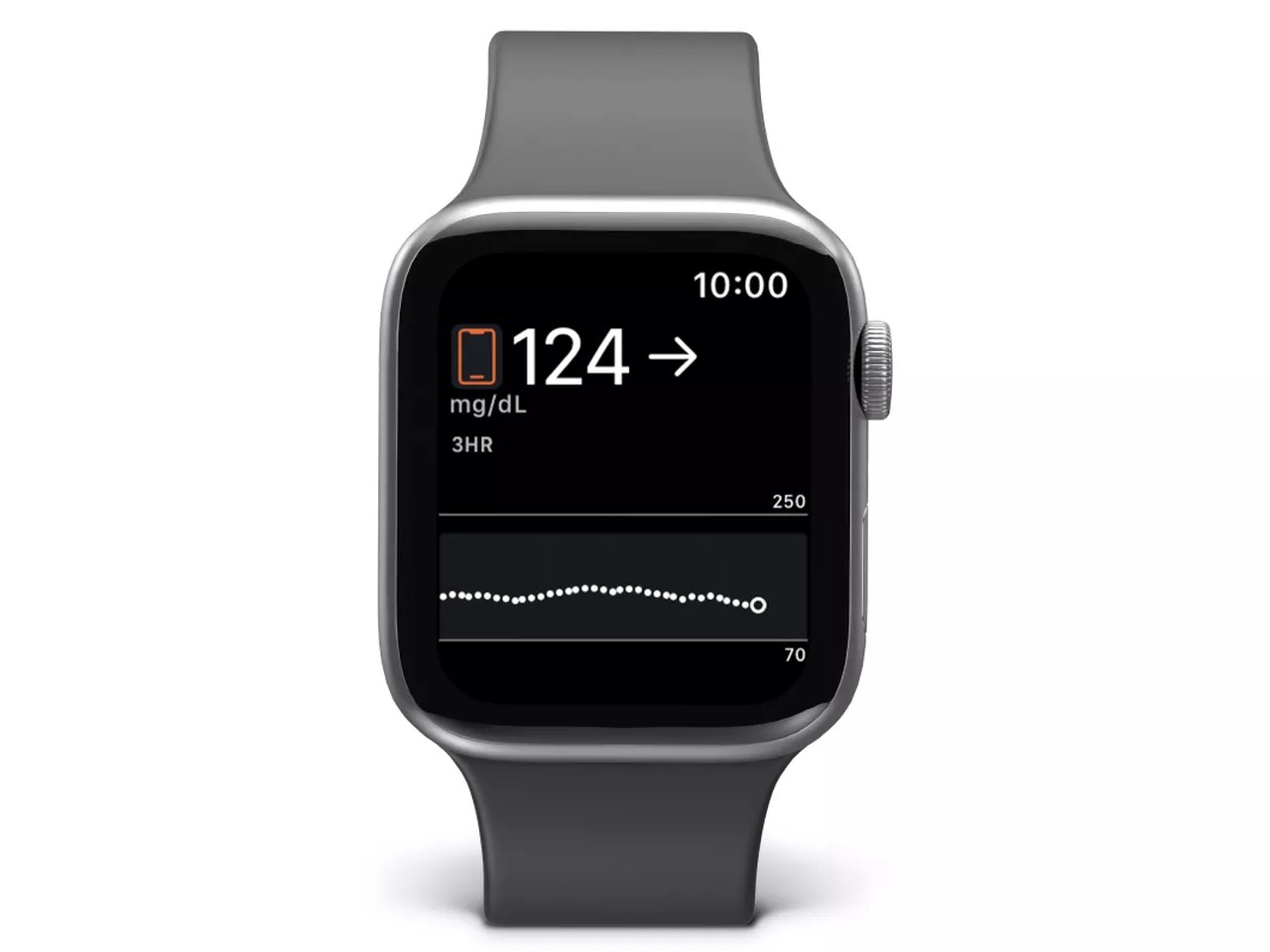
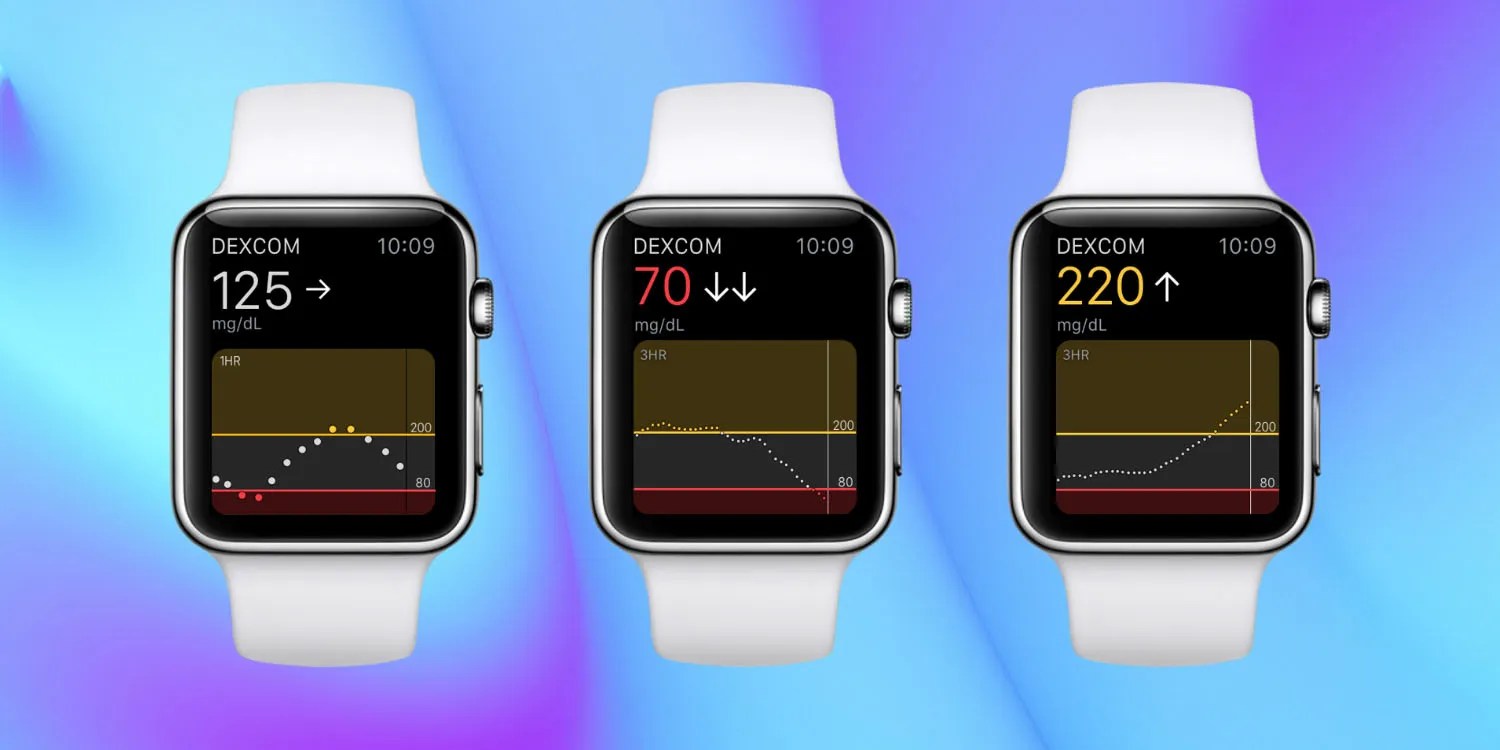
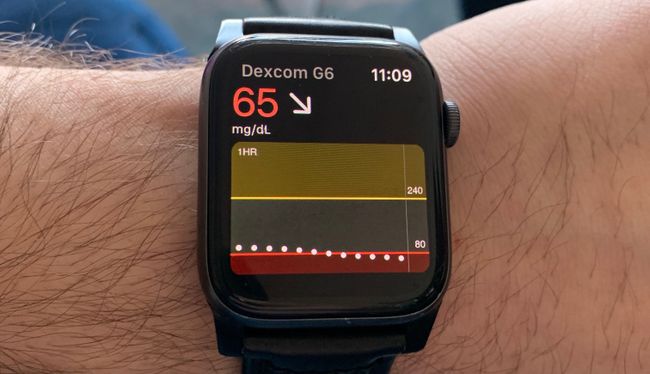
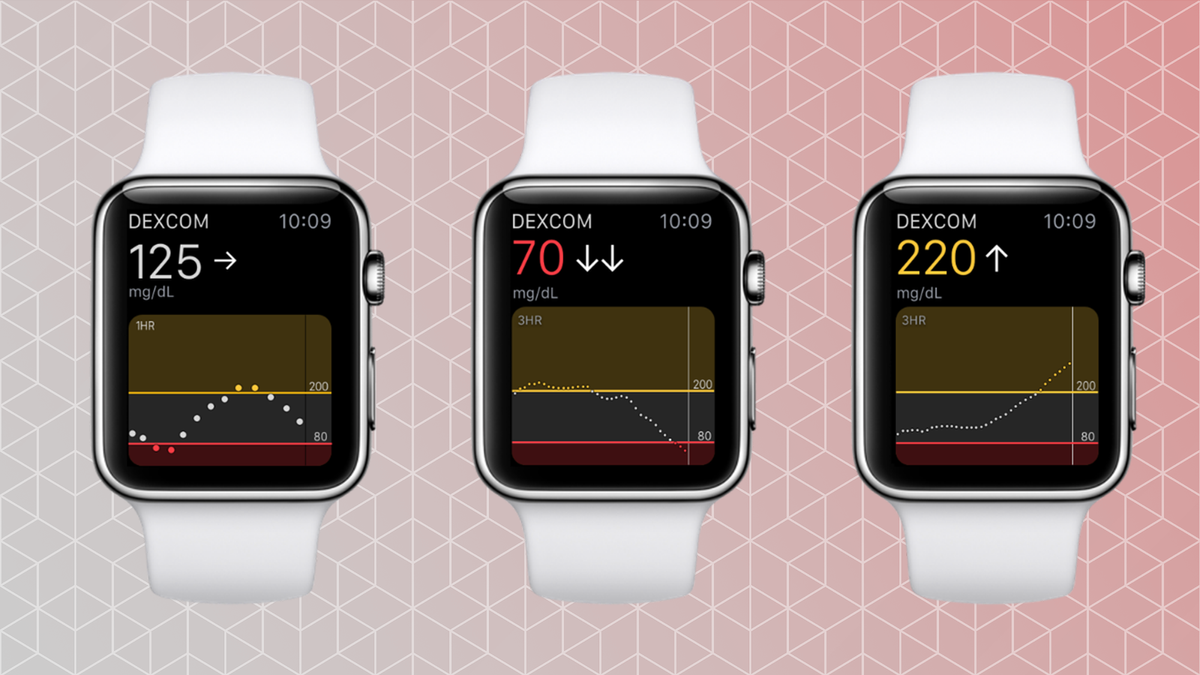
While Apple itself has not yet released a proprietary glucose sensor built into the Apple Watch hardware, recent software trials, including apps like the Dexcom G6 companion app for Apple Watch, exemplify the newest advances. These developments provide real-time glucose data directly on the watch face, customizable alerts, and trend analysis, marking an important step beyond previous versions of the Apple Watch, which lacked official blood sugar monitoring capabilities.
Overview / Specifications
| Specification | Details |
|---|---|
| Apple (in partnership with Dexcom and others) | |
| Smartwatch with Blood Glucose Monitoring Support | |
| Apple Watch Series 4 and later | |
| Feature & App Trials Began in 2023 | |
| Third-party CGM sensors (e.g., Dexcom G6) | |
| watchOS 10 and later required for official apps | |
| iPhone 8 or later with iOS 17+ | |
| Bluetooth (to CGM transmitter), Wi-Fi, Cellular (optional) | |
| Varies by Apple Watch model + CGM subscription (starting approx. $300+ for CGM device) | |
| People with diabetes or requiring continuous blood glucose monitoring |
Design & Build
The Apple Watch maintains its signature sleek and minimalistic design, crafted from materials such as aluminum, stainless steel, or titanium, depending on the model variant. As blood sugar monitoring is enabled primarily through integrated third-party CGM devices and software rather than hardware embedded in the watch itself, the physical design does not significantly differ from baseline Apple Watch models.
Ergonomically, the device remains lightweight and comfortable for all-day wear, an essential aspect for continuous glucose monitoring users who need timely alerts and readings without interruption. The always-on Retina display enhances visibility of glucose trends, allowing users to glance at their data conveniently. Durability features such as water resistance (WR50) ensure the watch withstands daily activities, although CGM sensors typically require separate adhesive patches worn on the body.
Performance
From a performance standpoint, the Apple Watch excels in software responsiveness and seamless integration with external glucose monitoring devices. The real-time data transmission from Bluetooth-enabled CGM transmitters to the watch is reliable, with minimal latency, allowing users to receive instantaneous updates on their blood sugar levels. Customizable notifications and haptic alerts improve user experience by providing timely warnings about hypo- or hyperglycemic events.
Battery life impacts continuous monitoring usability. While newer Apple Watch models offer up to 18 hours of battery life, heavy usage of glucose monitoring apps coupled with other active features may reduce this. Users should plan charging routines accordingly to maintain uninterrupted health tracking. Overall, the performance of the Apple Watch in this context hinges largely on the software ecosystem and CGM hardware pairing rather than internal watch sensors, which currently do not measure glucose directly.
Features
- Third-party CGM App Integration: Support for apps like Dexcom G6 allows users to view blood glucose levels directly on the watch face.
- Real-Time Glucose Monitoring: Continuous updates typically every 5 minutes provide trending glucose data.
- Customizable Alerts: Notifications for high or low glucose levels help users manage health proactively.
- Complications & Widgets: Glucose data can be added as complications on various watch faces for quick access.
- Health App Synchronization: Data syncs automatically with the iPhone Health app, facilitating long-term tracking and medical consultations.
- Compatibility: Works best with Apple Watch Series 4 and later running watchOS 10 or newer and paired iPhone with iOS 17 or later.
Price & Value
The Apple Watch blood sugar levels price aspect is inherently tied to the overall cost of owning an Apple Watch and a compatible continuous glucose monitoring system. Apple Watches range from $249 (Apple Watch SE) to $799+ (Apple Watch Ultra), depending on model and features. The blood sugar monitoring function relies on third-party CGM devices such as the Dexcom G6, whose sensors and transmitters cost approximately $300-$400 upfront, with ongoing sensor replacement costs and subscription fees that vary by region and insurance.
Apple does not currently offer a standalone blood glucose sensor integrated directly into the Apple Watch hardware, so pricing depends heavily on the combined ecosystem. For users requiring regular glucose monitoring, this integrated wearable solution offers convenience and value-added benefits by consolidating health data and alerts on their wrist.
Main Competitors
The main competitors to the Apple Watch for continuous glucose monitoring and blood sugar level tracking include:
- Dexcom G6/G7 Systems with Third-Party Wearables: Dexcom’s standalone CGM devices, often paired with dedicated receivers or smartphones, prioritize medical accuracy and FDA clearance. While some compatible wearables offer glucose alerts, Apple Watch integration provides superior smartwatch functionality.
- Fitbit Sense (Upcoming Models): Fitbit devices have shown interest in glucose monitoring through partnerships, but real-time CGM integration is not yet widely available. Fitbit excels in affordability and wellness tracking but lags in medical-grade glucose monitoring capabilities.
- Samsung Galaxy Watch with Third-Party Apps: Samsung smartwatches also support some CGM integrations but lack the breadth of app support and user base that Apple enjoys.
Apple Watch’s advantage lies in its seamless ecosystem, ease of use, and rich feature set beyond glucose monitoring. However, the need for external CGM hardware remains a consideration for all these platforms.
Pros & Cons
| Pros | Cons |
|---|---|
|
|
Final Verdict
In this apple watch blood sugar levels review, it’s clear that Apple Watch’s integration with leading continuous glucose monitors offers an innovative, user-friendly solution for people managing diabetes. The biggest strength lies in the convenience of viewing blood sugar trends and receiving alerts without carrying multiple devices, leveraging Apple’s polished user interface and ecosystem. However, the absence of a built-in glucose sensor means users must invest in separate CGM hardware, which adds cost and complexity.
For individuals embedded in the Apple ecosystem who value real-time health insights and smartwatch versatility, the Apple Watch combined with supported CGM systems provides excellent value. Those seeking standalone medical devices with higher accuracy or cheaper options might look to dedicated CGM hardware.
Overall Rating: 8/10
Recommended for Apple users who want integrated health tracking and have the budget for combined smartwatch and CGM devices. The continued evolution of Apple Watch blood sugar levels features hints at a future where non-invasive glucose monitoring directly on the wrist becomes mainstream, promising even greater utility and independence from external sensors.
Apple Trials App To Manage A Person's Blood Sugar Levels – Apple Watch
Apple trials app to manage a person's blood sugar levels – Apple Watch …
Apple Trials New Blood Sugar Monitoring Features In Secret App
Apple trials new blood sugar monitoring features in secret app …
Unlock Your Health: Apple Health+ Wearable Real-Time Blood Glucose
Unlock Your Health: Apple Health+ Wearable Real-Time Blood Glucose …
Help Me, Tom’s Guide: I Need An Apple Watch To Monitor My Diabetes
Help me, Tom’s Guide: I need an Apple Watch to monitor my diabetes …
Help Me, Tom’s Guide: I Need An Apple Watch To Monitor My Diabetes
Help me, Tom’s Guide: I need an Apple Watch to monitor my diabetes …