apple watch glucose monitoring Review
apple watch glucose monitoring Review
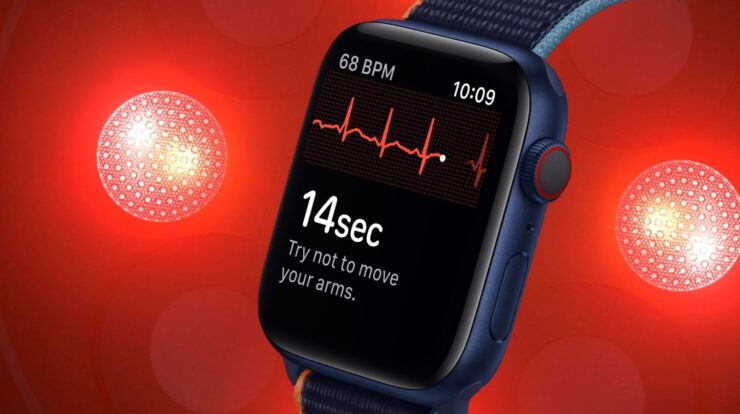
The Apple Watch glucose monitoring feature represents one of the most anticipated health-tracking advances for Apple’s flagship wearable line. While the Apple Watch itself is a versatile smartwatch packed with numerous health sensors, continuous glucose monitoring (CGM) is not natively built into the device as of the latest 2024 models. Instead, this functionality is achieved through third-party integrations and sensor partnerships, making it part of the wearable health monitor category focused on helping people—especially those with diabetes or glucose-monitoring needs—track blood sugar levels conveniently.
This review covers the current landscape of Apple Watch glucose monitoring, including how it works via continuous glucose monitoring devices, the benefits for users, notable developments, and what sets it apart from previous iterations without these capabilities. We also analyze new software improvements, sensor compatibility, and the overall ecosystem Apple supports for glucose tracking.
Overview / Specifications
| Brand | Apple Inc. / Supported 3rd-Party CGM Brands |
|---|---|
| Category | Smartwatch with Glucose Monitoring Support via CGM |
| Model | Apple Watch Series 8, Ultra, SE (Latest as of 2024) |
| Release Date | Latest Models Released 2022 – 2023 |
| Glucose Monitoring | Supported Via Integration with CGM Systems (e.g., Dexcom G6, FreeStyle Libre) |
| Display | Always-on Retina Display |
| Battery Life | Up to 18 hours (varies with usage) |
| Operating System | watchOS 10 (Latest) |
| Compatibility | iPhone 8 or later with iOS 17+ |
| Connectivity | Bluetooth, Wi-Fi, Cellular (on applicable models) |
| Starting Price | Apple Watch Series 8: $399 (USD) and up; CGM device pricing varies |
Design & Build
The Apple Watch Series 8 and Ultra models maintain Apple’s signature premium design, featuring an aluminum, stainless steel, or titanium case with a sleek and durable finish. The watches are engineered for comfort and durability during daily use and exercise. All models include an always-on Retina display that is bright and clear for checking glucose data and alerts at a glance.
Because glucose monitoring is achieved through external CGM sensors worn on the body (typically on the arm or abdomen), the Apple Watch itself does not require any physical changes or additional hardware to support glucose tracking. Integration is seamless through apps and Bluetooth connectivity, ensuring minimal extra bulk or inconvenience. This approach preserves the Watch’s portability and everyday wearability without compromising style or comfort.
Performance
In terms of performance relating to glucose monitoring, the Apple Watch relies on timely, reliable data transmission from compatible CGM devices like the Dexcom G6 or FreeStyle Libre sensors. These sensors transmit glucose readings to the Apple Watch via an iPhone intermediary or directly if the Watch has cellular connectivity.
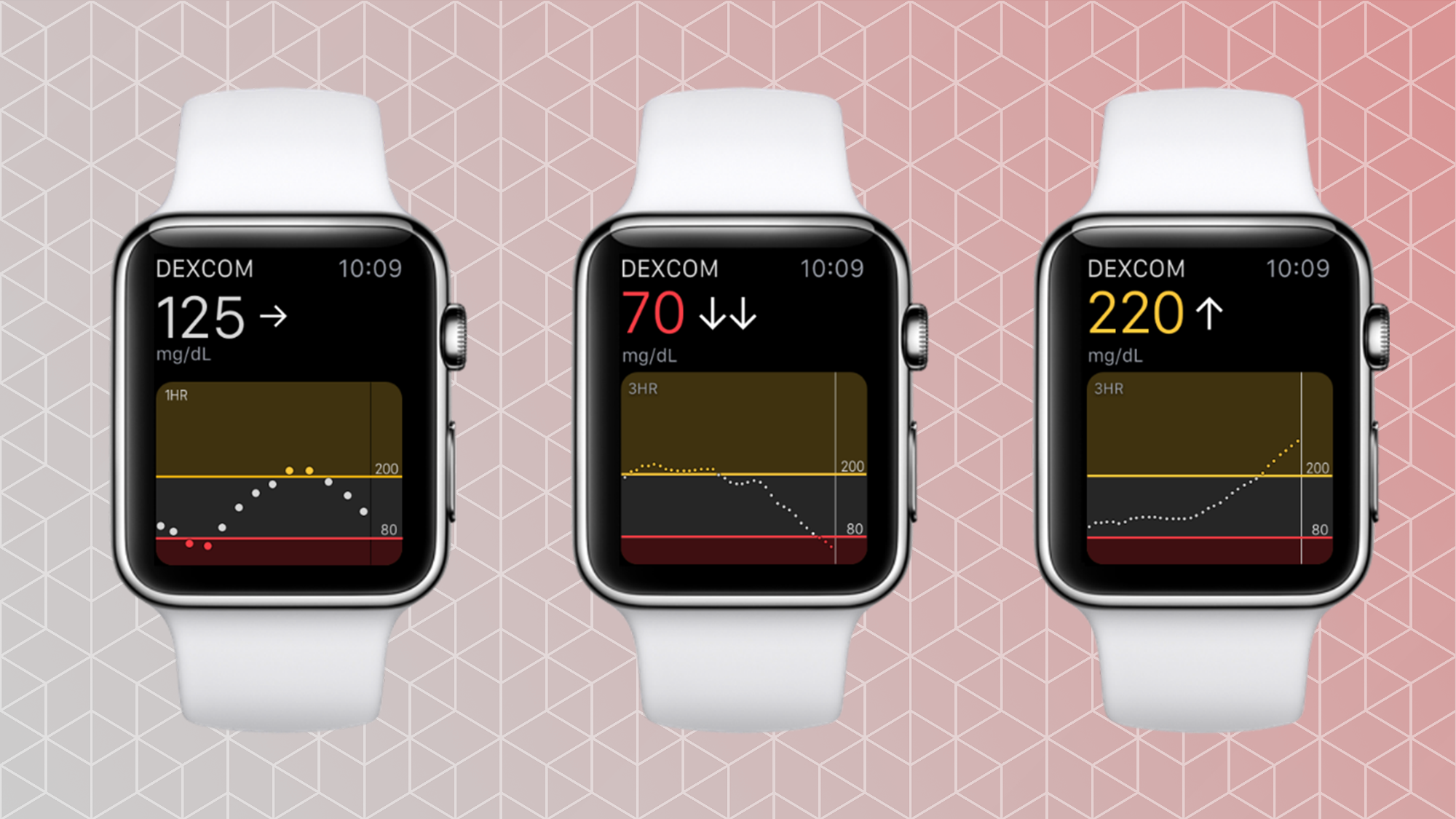
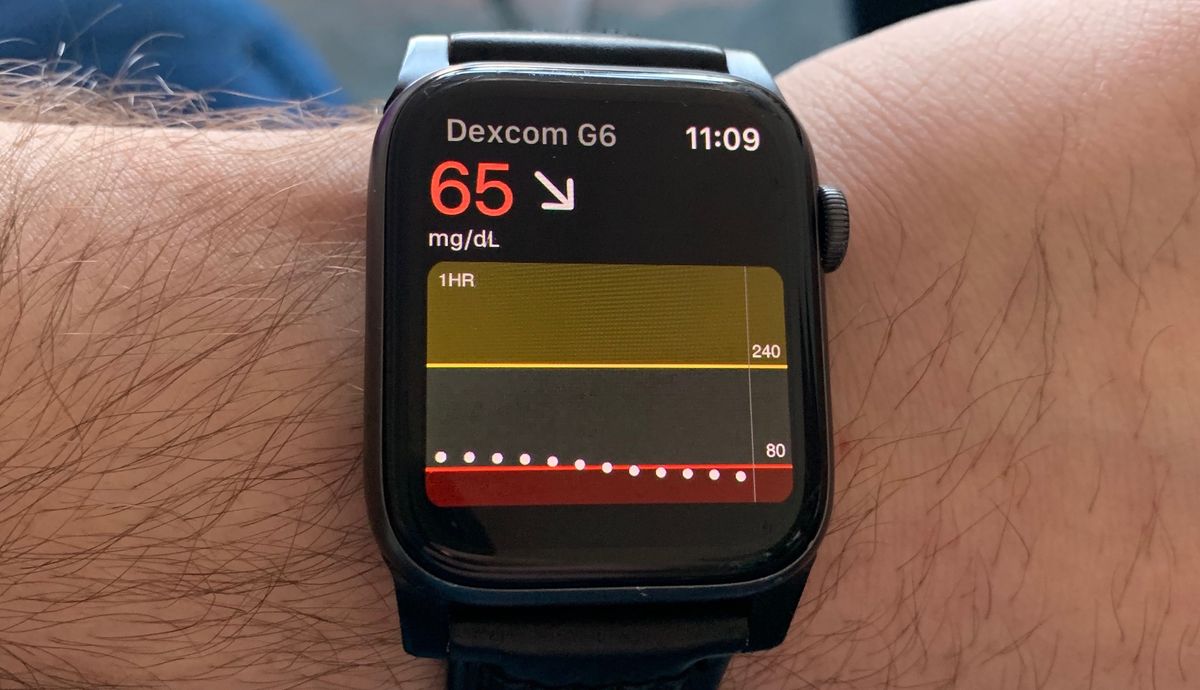
This coordination allows near real-time glucose tracking on the wrist, including customizable alerts for high or low levels, trends, and detailed graphs via Apple Health integrations. Users report efficient performance and intuitive glucose data display in the integrated apps.
Battery life remains strong for typical smartwatch functions, though continuous use of health monitoring apps and Bluetooth streaming may reduce daily battery endurance slightly. The software’s responsiveness and reliability at syncing and alerting users to glucose changes is widely regarded as a significant improvement over earlier, more fragmented CGM apps.
Features
- CGM Integration: Compatibility with leading CGM devices (Dexcom G6/G7, FreeStyle Libre) providing continuous glucose updates on the watch.
- Health App Sync: Glucose data is seamlessly integrated into Apple Health, enabling comprehensive health tracking and sharing options with healthcare providers.
- Customizable Alerts: High and low glucose alerts directly on the Apple Watch, improving proactive diabetes management.
- Trend Visualizations: Graphs and trend data available on wrist and iPhone for detailed analysis.
- Added Safety Features: Notifications and emergency features allow timely user intervention.
Price & Value
Apple Watch models that support glucose monitoring via CGMs start at $399 USD for the Series 8, with the Apple Watch Ultra commanding a higher price point of around $799 for advanced features and durability. However, the glucose monitoring system itself requires purchasing a separate CGM device, which can range from $250 to $500 upfront, with ongoing sensor replacements costing additional amounts depending on the provider and insurance coverage.
Warranty coverage matches Apple’s standard one-year limited warranty, with options for AppleCare+. CGM device warranties vary by manufacturer. Running costs should be carefully considered as sensor replacements are continuous.
Overall, the combined Apple Watch and CGM system offers significant value for users managing diabetes or glucose levels, especially due to the convenience, accuracy, and health insights it facilitates.
Main Competitors
Two primary competitors in the smartwatch glucose monitoring integration space are the Fitbit Sense 2 and Garmin Venu 2 Plus.
- Fitbit Sense 2: Offers stress, heart health, and skin temperature sensors. However, CGM integration is limited primarily through third-party apps and lacks as tight integration as Apple’s Health ecosystem. Fitbit is often more affordable but may appeal more to general wellness users than serious glucose monitoring.
- Garmin Venu 2 Plus: Known for fitness tracking and GPS features, Garmin does not directly support glucose monitoring but can sync some third-party CGM data via apps. It excels for athletes but remains less integrated for glucose management.
Apple Watch stands out with the breadth of application support, Health app ecosystem integration, and widespread CGM compatibility but at a premium price point.
Pros & Cons
| Pros | Cons |
|---|---|
|
|
Final Verdict
The Apple Watch glucose monitoring setup, while not natively integrated via Apple hardware alone, offers a premium, reliable, and user-friendly way to track blood glucose continuously when paired with third-party CGM sensors. Its biggest strengths lie in its seamless data sharing, accuracy, and customizable alerts that make it indispensable for users managing diabetes or other glucose-related conditions.
However, the lack of built-in glucose sensors means users must invest in additional hardware, which along with the Apple Watch’s premium pricing, may not fit every budget. Battery considerations and dependency on the Apple ecosystem are also factors to consider.
Overall, for Apple users seeking an advanced, convenient glucose monitoring system with top-tier smartwatch features, the combination of Apple Watch and compatible CGMs rates an 8 out of 10. It represents an excellent choice for health-conscious individuals and patients wanting continuous glucose insights on the go.
If native non-invasive glucose monitoring becomes available in future Apple Watch generations, it could revolutionize this category further.
Dexcom Delivers Apple Watch Integration With Its G7 Continuous Glucose

Dexcom delivers Apple Watch integration with its G7 Continuous Glucose …
Help Me, Tom’s Guide: I Need An Apple Watch To Monitor My Diabetes
Help me, Tom’s Guide: I need an Apple Watch to monitor my diabetes …
Continuous Glucose Monitoring Comes To Apple Watch (If You Have This

Continuous Glucose Monitoring Comes to Apple Watch (If You Have This …
Help Me, Tom’s Guide: I Need An Apple Watch To Monitor My Diabetes
Help me, Tom’s Guide: I need an Apple Watch to monitor my diabetes …
How Apple Watch Blood Glucose Monitoring Might Work & The Benefits
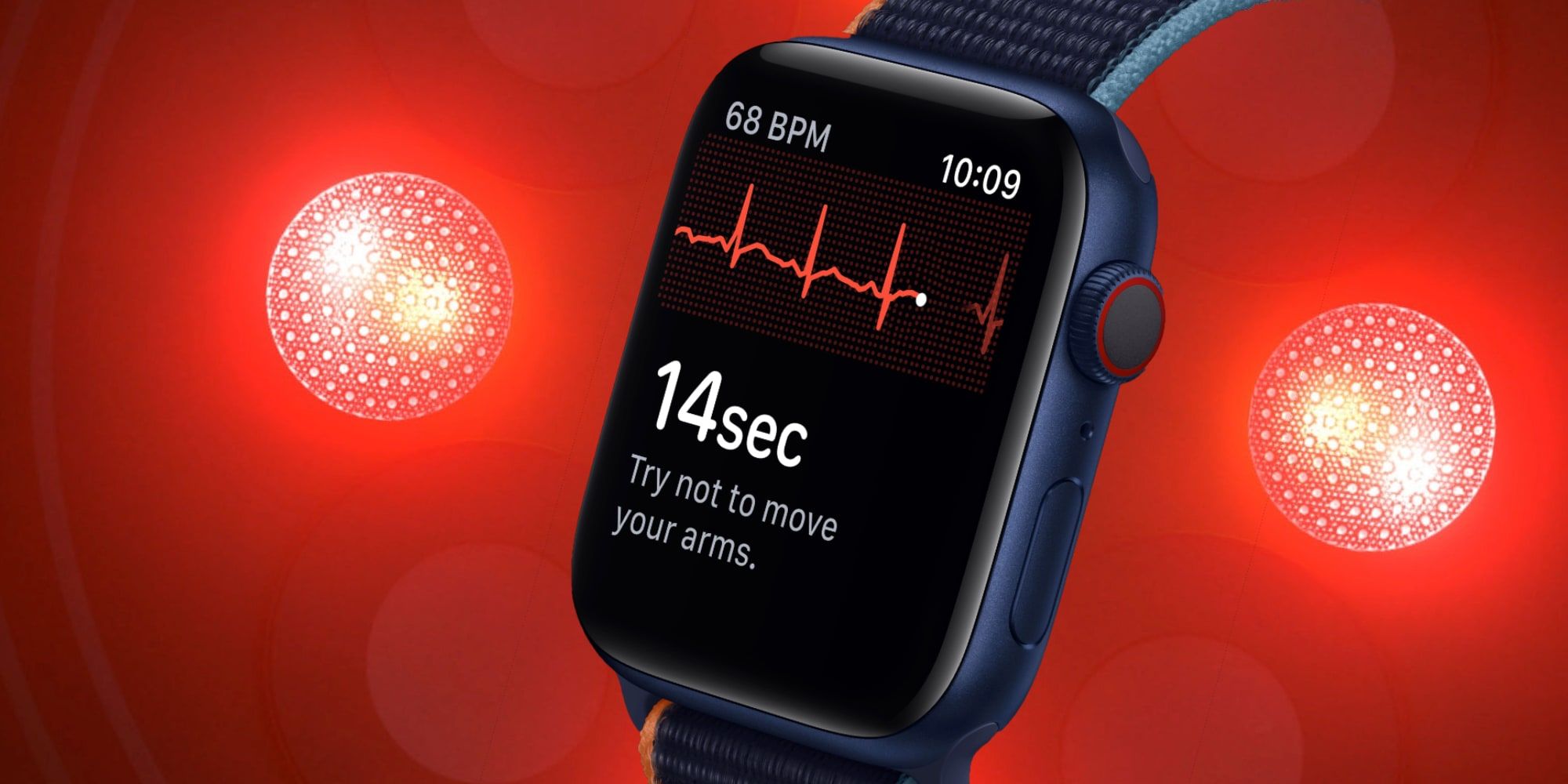
How Apple Watch Blood Glucose Monitoring Might Work & The Benefits