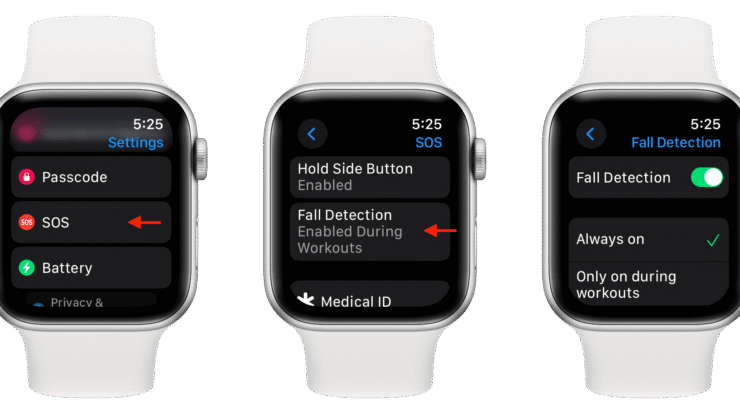
apple watch fall detection Review
apple watch fall detection Review
The Apple Watch Fall Detection is a life-saving health and safety feature integrated into Apple’s smartwatch lineup, starting from Series 4 onwards. Falling into the wearable technology category, this feature is primarily designed for older adults, individuals with certain medical conditions, or anyone concerned about unattended falls. It utilizes advanced motion sensors and proprietary algorithms to detect a hard fall and can automatically trigger an emergency call if the wearer is unresponsive.
Available on Apple Watch Series 4 and later models, the fall detection feature has evolved in precision and reliability with each new generation. The latest versions (Series 8 and Apple Watch Ultra) offer enhanced sensors and smarter detection capabilities. Compared to earlier implementations, recent models provide faster emergency response and better sensitivity customization, making it a trusted companion in home care and personal safety.
Overview / Specifications
| Specification | Details |
|---|---|
| Apple | Apple Inc. |
| Wearable Technology / Smartwatch Safety Feature | Fall Detection |
| Apple Watch Series 4 and later (including Apple Watch Ultra) | Series 4 (2018), Series 5 (2019), Series 6 (2020), Series 7 (2021), Series 8 (2022), Ultra (2022) |
| First introduced in 2018 (Series 4) | Ongoing support in latest models |
| watchOS 5 and above | Fall Detection requires watchOS 5 or later |
| Works with iPhone 6s or later running iOS 12 or later | Required for setup and emergency contact features |
| Cellular and Wi-Fi (depending on model) | Cellular version can call emergency services without iPhone nearby |
| Aluminum, Stainless Steel, Titanium (varies by model) | Durable build tailored to each Apple Watch model |
| Varies by model and retailer | From roughly $399 USD for Series 8; Ultra starts at $799 USD |
Design & Build
The Apple Watch series featuring fall detection share Apple’s signature premium design aesthetic — sleek, rounded edges, and a robust build. Constructed from high-grade aluminum, stainless steel, or titanium (in the Ultra model), these watches are designed for everyday durability and comfort. The OLED Retina display offers excellent visibility in different lighting conditions, while the watch’s compact form facilitates wearing throughout daily routines.
Ergonomics play a big role in ensuring sensors accurately capture movement data. Apple has balanced style and function by keeping the smartwatch lightweight and wrist-friendly. The band options add versatility, accommodating users with various preferences and skin sensitivities.
Performance
From a performance perspective, the fall detection feature capitalizes on the Apple Watch’s advanced accelerometers and gyroscopes. These sensors monitor wearer motion with remarkable precision. When a fall is detected, the watch taps the user with an alert and sounds an alarm. If the wearer remains immobile for roughly 60 seconds following the fall, the device automatically calls emergency services and sends a message to pre-selected contacts.
Compared to previous versions, newer models improve detection speed and reduce false positives through continued software refinement. The fall detection algorithm reliably distinguishes between serious falls and less risky movements, such as dropping the watch or abrupt activity changes. Battery performance remains strong enough to support continuous monitoring all day without excessive drain, though heavy usage of cellular calling can shorten battery life.
Features
- Automatic Fall Detection: Uses motion and impact sensors to identify serious falls automatically.
- Emergency SOS: If the watch senses immobility after a fall, it dials emergency services including location data.
- Custom Alerts: Users can disable fall detection or adjust sensitivity depending on activity level or age.
- Health Integration: Works seamlessly with the Health app to log incidents and overall activity data.
- Cellular Connectivity: Some Apple Watch models can function independently of an iPhone for emergency calls.
- User-Friendly Interface: Intuitive notifications with haptic feedback ensure users immediately know when a fall is detected.
Price & Value
The official apple watch fall detection price depends on the Watch model, as the feature is bundled rather than sold separately. Consumers typically pay the base price of the Apple Watch model supporting fall detection, which starts at approximately $399 for mainstream Series 8 models. The Apple Watch Ultra, targeting more rugged users, starts at around $799.
Fall detection is included as part of the overall package, so there are no additional operating costs specific to it. Warranty coverage is standard for Apple Watches, typically one year with options for extended AppleCare plans.
When considering the peace of mind offered by automatic emergency alerting, the value for money is significant—especially for at-risk users such as seniors or people with mobility or health concerns. It adds life-saving utility beyond standard smartwatch features, enhancing safety without extra fees.
Main Competitors
Other wearable brands have developed fall detection features, most notably:
- Fitbit Sense / Versa Series: Fitbit offers fall detection via their SmartTrack and emergency SOS functionalities but generally lacks the same automated emergency calling integration as Apple Watch. Fitbit is more affordable but less sophisticated in sensor accuracy and software integration.
- Samsung Galaxy Watch Series: Samsung Galaxy Watch models incorporate fall detection with Samsung Health and SOS features. They perform well for Android users but have less seamless integration with the Apple ecosystem and shorter track records in fall detection reliability.
Apple Watch’s advantage lies in its mature ecosystem, advanced sensor technology, and automatic call-to-emergency-services pairing. Fitbit and Samsung appeal more to budget-conscious buyers or non-iPhone users, respectively, but might not offer the same rapid emergency connectivity or sensor precision.
Pros & Cons
| Pros | Cons |
|---|---|
| Highly accurate fall detection algorithm with minimal false alarms | Feature only available on Apple Watch Series 4 and newer |
| Automatic emergency calling and messaging enhance user safety | Relies on cellular or iPhone connectivity for emergency communication |
| Seamless integration with Apple’s Health ecosystem and watchOS | Price point may be high for some users solely seeking fall detection |
| User-customizable sensitivity and easy interface | Battery life can be impacted by frequent emergency features usage |
Final Verdict
The Apple Watch fall detection feature stands out as one of the most reliable and user-friendly technologies for personal safety in wearables. Its biggest strength is the precise sensor fusion combined with automatic emergency communication that does not require user input when incapacitated. Weaknesses include its dependence on cellular connectivity for calls and the premium pricing of supported Apple Watch models.
This feature is best suited for older adults, people with known fall risks, or anyone seeking added peace of mind in daily activities. Those already invested in the Apple ecosystem will find the fall detection function an invaluable addition without needing specialized equipment.
Overall, I would rate the Apple Watch fall detection 9 out of 10.
Given its thorough integration, constant improvements, and life-saving potential, it comes highly recommended for users prioritizing health and safety in a smartwatch.
How To Enable And Use Apple Watch Fall Detection
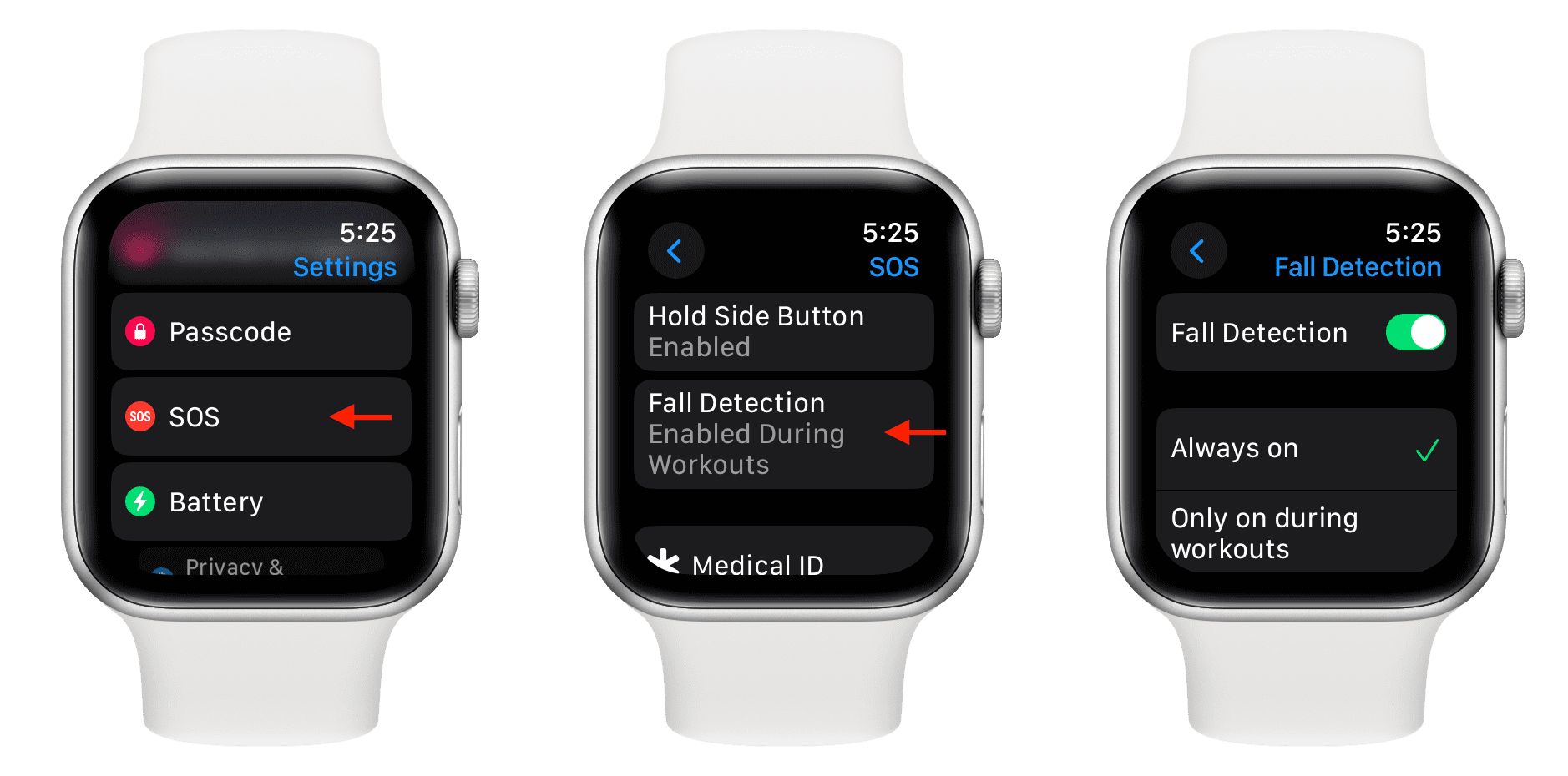
How to enable and use Apple Watch fall detection
Apple Watch Fall Detection – Which Apple Series Detects Best?
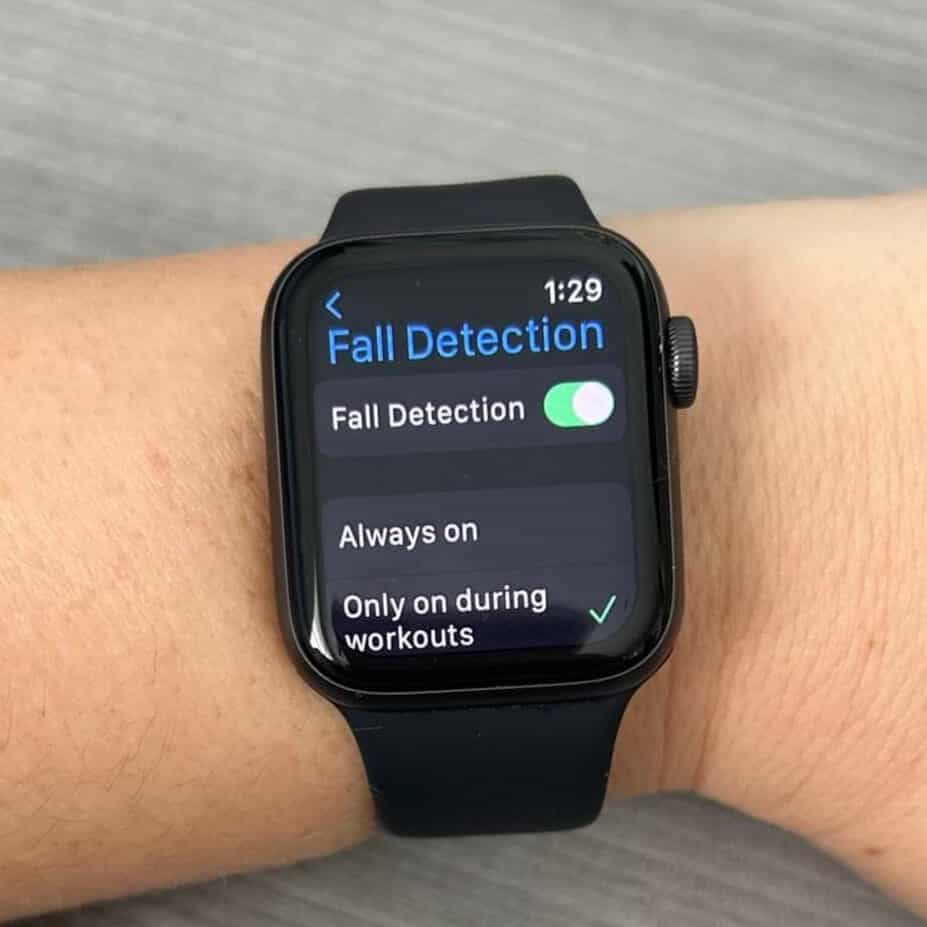
Apple Watch Fall Detection – Which Apple Series Detects Best?
Smart Watch Will Fall Detection At Kim Delapaz Blog
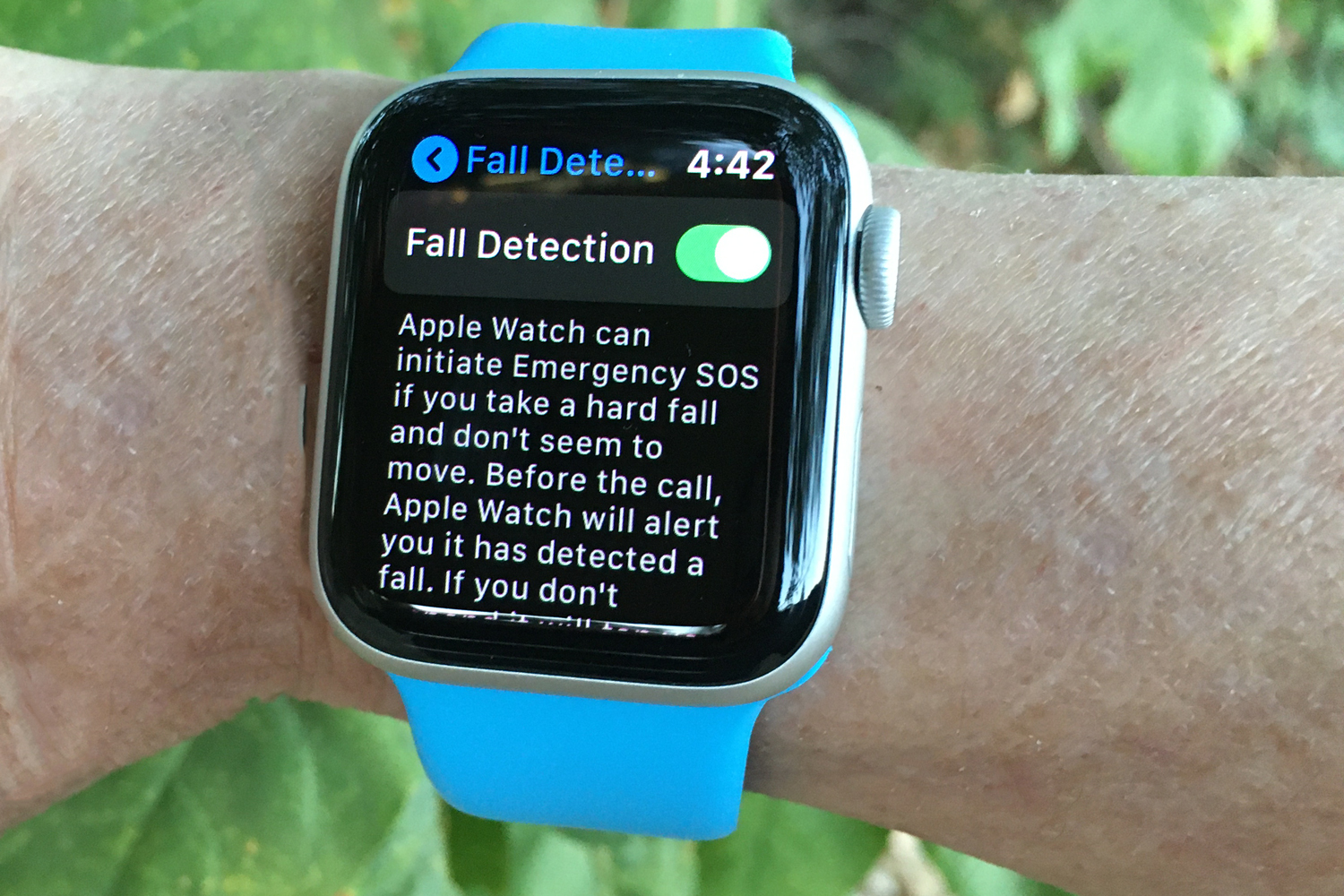
Smart Watch Will Fall Detection at Kim Delapaz blog
Apple Watch Fall Detection Saves Another Life!
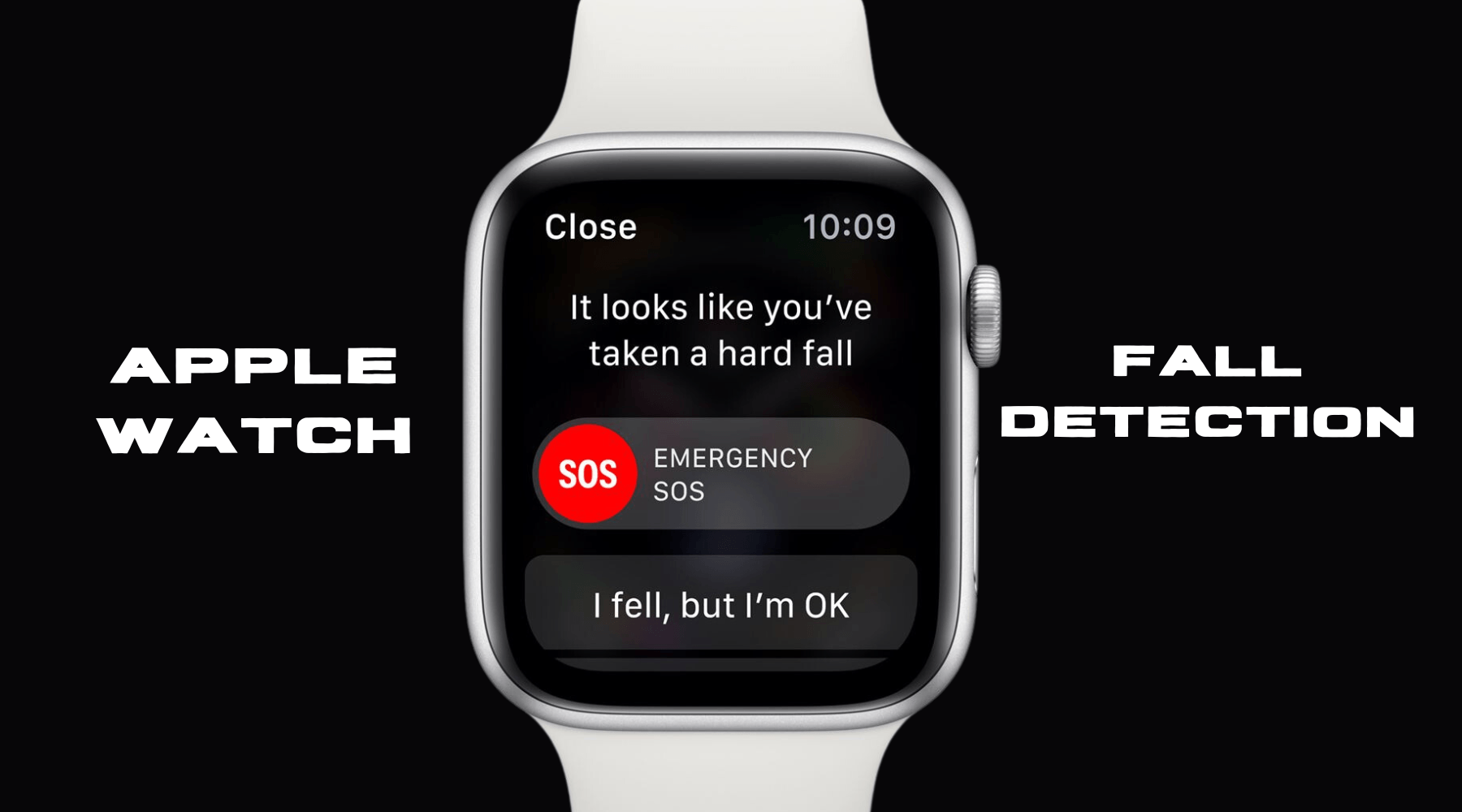
Apple Watch Fall Detection Saves Another Life!
Healthcare – Home Care – Apple
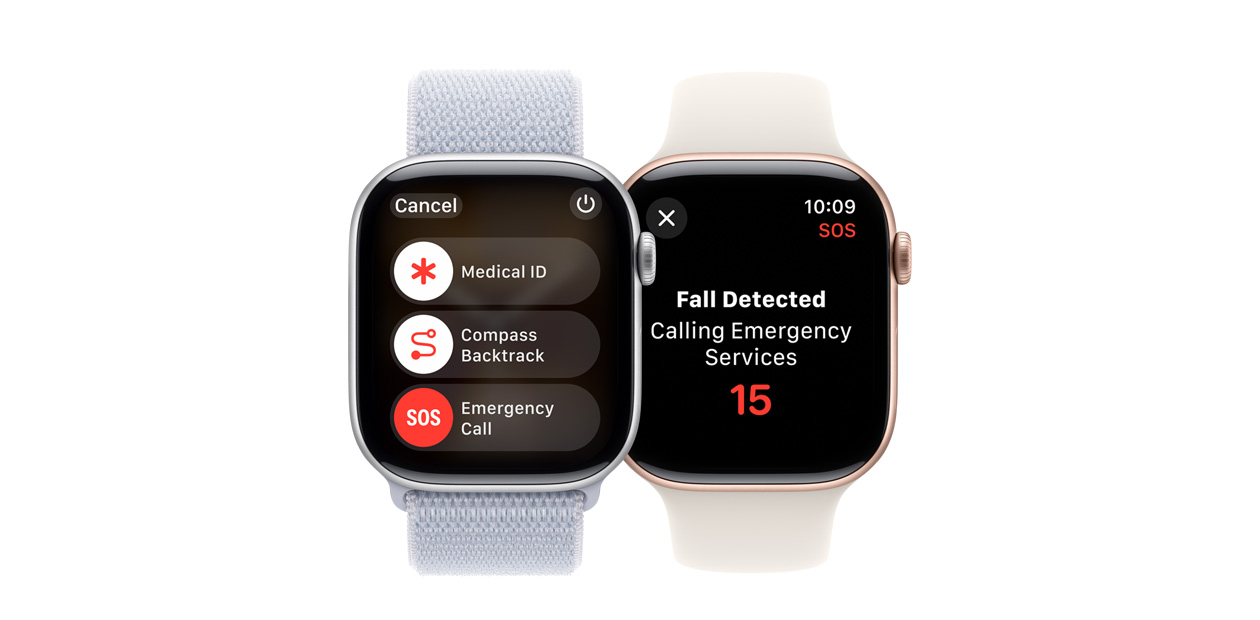
Healthcare – Home Care – Apple